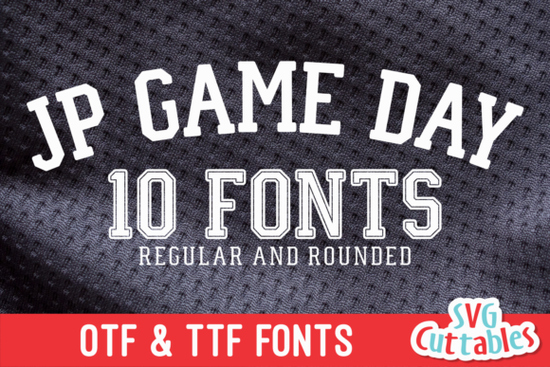
Finding the right typography for athletic and event-based projects can be tricky. You need something that feels energetic but remains easy to read from a distance. The JP Game Day Font solves this by combining a classic serif structure with a bold, sporty attitude. Its well-balanced characters give off a solemn yet dynamic vibe, making it a reliable choice for designers and small businesses working on athletic branding.
What makes a good sports typography choice?
When designing for sports events or team merchandise, readability and impact are your top priorities. A purely decorative script might look nice on a wedding invitation, but it fails on a stadium banner. This is where a sturdy serif family shines. The thick strokes and grounded serifs provide the visual weight needed for large formats. If you are exploring other options in this style, you might also look at how fantasy-themed serifs handle heavy strokes, or see how modern editorial serifs balance thickness and elegance. However, for pure athletic energy, a dedicated sports typeface keeps the letterforms grounded and aggressive without losing professionalism.
How does this typeface work for print-on-demand and apparel?
Print-on-demand sellers know that t-shirt designs need to pop on a screen and print cleanly on fabric. Intricate details often get lost during the screen printing or direct-to-garment process. Because this font family features strong, distinct lines, it holds up beautifully on cotton and polyester blends. If you want to see more layout ideas, browsing through similar sporty serif examples can give you fresh inspiration for merchandise.
- Jersey Numbers and Names: The bold weights ensure player names are legible from the bleachers.
- Vintage Sports Tees: The classic serif terminals give a nostalgic, retro-collegiate feel when paired with distressed textures.
- Tote Bags and Caps: The structured letterforms scale down well for smaller embroidery or print areas.
When testing your apparel mockups, always check how the kerning looks on curved text paths, as athletic designs often wrap around shoulders or chest arcs.
Which projects benefit most from a bold serif style?
Beyond clothing, this typography style is highly effective for physical and digital marketing materials. Event organizers use it for tournament brackets, scoreboards, and promotional flyers because the high contrast draws the eye immediately. Magazine editors and bloggers also use similar robust letterforms for striking cover lines and pull quotes. Following basic typography best practices will help you arrange these heavy letters cleanly on a page.
If you want to contrast this heavy style with something lighter for your subheadings, you can browse through softer serif alternatives to create a clear visual hierarchy. Alternatively, if your project requires a more technical or uniform look for the body copy, checking out structured monospaced options can help balance the overall layout. The main goal is to let the bold headings do the heavy lifting while keeping the supporting text clean and unobtrusive.
How do you pair this font with other design elements?
A strong typeface needs the right supporting graphics to look its best. Since the letters already carry a lot of visual weight, keep your background elements relatively simple.
- Use high-contrast colors: Pair deep navy or forest green text with crisp white or bright yellow backgrounds to mimic classic team colors.
- Add subtle textures: A slight grunge or halftone overlay can make the design look like vintage athletic wear without obscuring the letters.
- Incorporate geometric shapes: Shield badges, diagonal stripes, and thick border lines complement the structured nature of the characters.
Avoid placing this font over busy photographic backgrounds unless you use a solid drop shadow or a color block behind the text to maintain legibility.
What should you check before exporting your final design?
Before finalizing your design file for print or web, run through this quick checklist to ensure your typography is ready for production:
- Convert all text to outlines or paths to prevent missing font errors at the printer.
- Check the contrast ratio between your text color and background to ensure accessibility for all viewers.
- Print a physical test page at actual size to verify the stroke thickness holds up in the real world.
- Review the kerning on all-caps words, adjusting the spacing manually if certain letter combinations look too cramped.
- Test the design on both light and dark mode screens if it will be used for digital banners or websites.
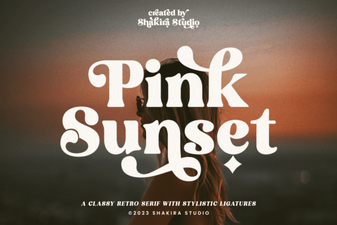 Pink Sunset Fonts for Creative Designs & Projects
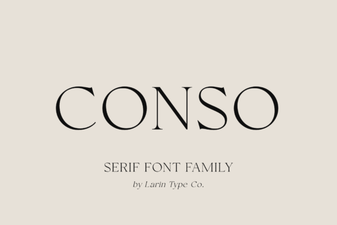 Conso Font: Design Your Digital Lettering Project
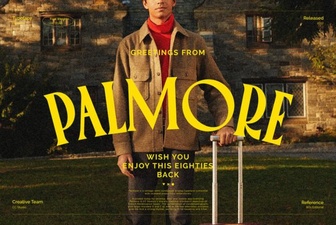 Palmore Font: Design Elegance for Digital Projects
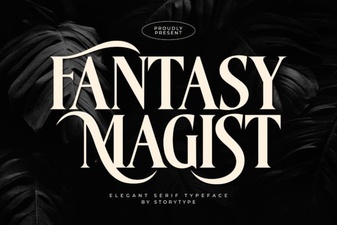 Fantasy Magist Font: Creative Design & Typography Projects
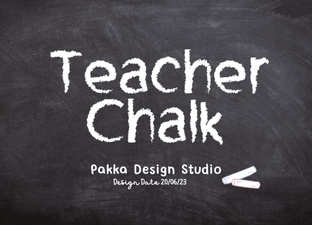 Designing with a Classic Teacher Chalk Font
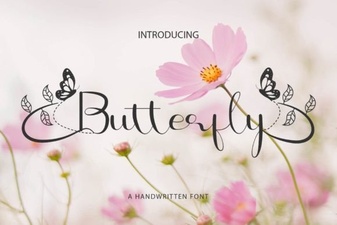 Design with Elegant Butterfly Font Projects