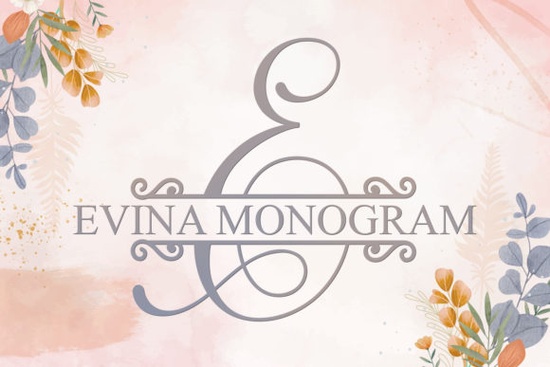
Finding the right script for a romantic project can take hours of scrolling through endless options. You want something that feels personal and delicate without being difficult to read. The Evina Monogram Font offers a dainty, unique style that fits perfectly into this specific design niche. Whether you are laying out wedding invitations, creating custom stationery, or writing digital love letters, this decorative typeface brings a lovely, hand-drawn feel to your work. It gives your text a soft, approachable look that works beautifully for intimate and celebratory occasions.
What makes a decorative font work for wedding stationery?
When designing for weddings, readability and elegance need to balance each other. A heavily ornate script might look beautiful on a screen but can become illegible when printed on a small RSVP card. This particular typeface keeps its decorative swashes relatively contained, meaning the core letters remain clear to your readers.
For wedding suites, try using this style for the couple's names or the main header on the invitation. You can pair it with a clean, simple sans-serif for the body text, like the date, time, and venue details. If you are building a broader stationery collection and need contrasting styles, you might also explore a sweet lettering style for Valentine's projects to see how different moods can complement each other across a product line.
How can crafters and small businesses use monogram styles?
Print-on-demand sellers and hobby crafters rely heavily on personalized items. Monograms and custom names are consistently top sellers on platforms like Etsy. Because this font has a romantic, dainty structure, it is highly effective for items targeted at brides, bridesmaids, and baby showers.
Think about applying this lettering to ceramic mugs, embroidered tote bags, or wooden ring boxes. The delicate curves cut well on vinyl plotters and look crisp when embroidered, provided you do not scale it down too small. If you are cutting this design out of adhesive vinyl, remember that very thin, dainty lines can be tricky to weed. You may need to add a subtle offset shadow to give the design more structural integrity on the backing paper. Sometimes, however, a client might want a slightly different vibe for their custom order. Keeping a playful nature-inspired typeface in your digital toolkit is always a smart move for offering diverse options to your customers.
Which design software supports this type of lettering?
Before you start designing, you need to know how your software handles special characters and ligatures. Decorative fonts often include alternate swashes, contextual alternates, and special punctuation marks that are hidden in the glyph panel.
If you use Adobe Illustrator or Photoshop, you can easily access these extra details through the Glyphs or Character panels. For Cricut Design Space or Silhouette Studio, you might need to use a third-party tool like Word or a dedicated character map app to copy and paste the specific alternate letters you want before bringing them into your cutting software. Canva users should note that while the platform supports custom font uploads on paid plans, accessing complex OpenType features can sometimes be limited compared to dedicated vector software. When you download the Evina lettering files from the decorative collection, take a few minutes to type out the entire alphabet and all the numbers to see exactly what extra elements are included.
What should you check before sending your design to print?
Rushing a design to the printer or the cutting mat often leads to frustrating mistakes. Follow this quick checklist to ensure your lettering looks professional and clean:
- Check the kerning: Decorative scripts sometimes leave awkward gaps between specific letter combinations. Adjust the spacing manually if two letters look disconnected.
- Test the scale: Print a test page on standard paper before using expensive cardstock or vinyl. Make sure the thinnest lines of the font do not disappear when scaled down.
- Outline your text: If you are sending a file to a professional printer, always convert your text to outlines or paths so they do not need to have the specific font installed on their computers.
- Review the contrast: Ensure your delicate font color stands out clearly against the background material, especially if you are printing on textured or colored paper.
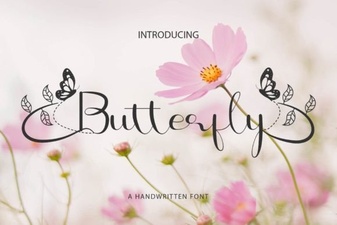 Design with Elegant Butterfly Font Projects
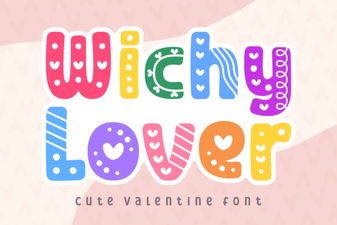 Design with Wichy Lover Font: a Guide for Creatives
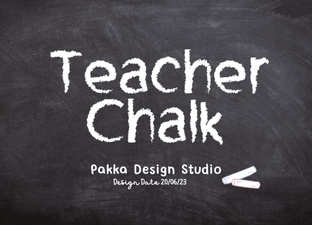 Designing with a Classic Teacher Chalk Font
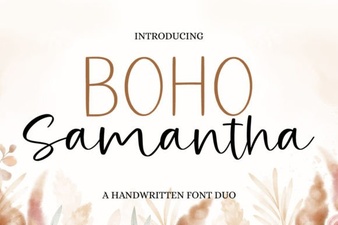 Boho Samantha Font: Styles, Tips & Projects
 Pink Sunset Fonts for Creative Designs & Projects
 Crafting Identity: University Fonts for Branding