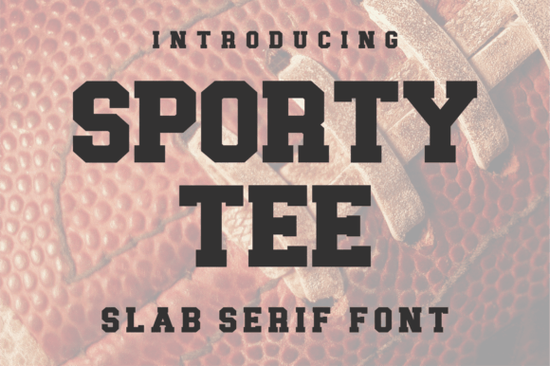
Finding the right typography for a bold project can take hours of scrolling through endless options. If you need something with heavy weight and strong character, the JP Sporty Tee Font is a highly assertive slab serif that grabs attention immediately. It works exceptionally well for crafters making vinyl decals, print-on-demand sellers designing graphic tees, and small businesses needing punchy headers for their marketing materials. Because of its thick, blocky strokes, it remains highly legible even when scaled down for small tags or scaled up for large banners.
What makes a slab serif work for apparel and crafts?
When you are cutting vinyl or doing screen printing, thin lines and delicate serifs often cause production headaches. They can tear during weeding or fail to transfer properly onto fabric. A heavy slab serif solves this problem by providing a solid, continuous shape. When exploring different blocky typefaces for your crafting library, you want letters that hold their structure on textured surfaces like canvas tote bags or cotton t-shirts.
The thick horizontal and vertical strokes in this specific font ensure that your Cricut or Silhouette machine can cut cleanly without snagging. For crafters, this means less time picking out tiny vinyl pieces and more time finishing your orders.
How does this typeface perform in digital and print design?
Beyond physical crafts, heavy typography is a staple in digital design. If you are building a presentation, you need headers that your audience can read from the back of the room. This font provides that exact visual weight without looking messy or distorted at large sizes.
For greeting cards and stationery, it offers a friendly but firm tone. It pairs nicely with hand-drawn illustrations or simple geometric shapes. You can check the full character set, glyphs, and commercial licensing details for JP Sporty Tee Font directly on Creative Fabrica to ensure it fits your specific business needs.
Which projects get the best results with bold typography?
Not every project needs a heavy font, but certain items practically demand it. Here is where this style shines the brightest:
- Print-on-demand apparel: Short, punchy quotes or single-word designs on the front of t-shirts and hoodies.
- Mug and tumbler wraps: Large, readable names or monograms that wrap around curved surfaces.
- Sports team merchandise: Jersey numbers, team names, and rally signs that need to look athletic and strong.
- Small business signage: A-frame sidewalk signs or storefront window decals where quick readability is essential.
- Event invitations: Headers for baby showers, birthdays, or retirement parties where the main theme needs to stand out.
How do you pair heavy fonts with other typefaces?
Using a bold slab serif for every single word in your design will make the final product look cluttered and hard to read. The trick is contrast. Use the heavy font for your main title or the most important word in your phrase. Then, switch to a clean, lightweight sans-serif or a simple handwritten script for the secondary text.
For example, if you are designing a coffee mug that says "But First, Coffee", make the word Coffee the largest element using the slab serif. Keep "But First," much smaller in a simple, thin font. This creates a clear visual hierarchy and guides the reader's eye exactly where you want it to go.
What should you check before sending your design to production?
Before you hit print or start cutting your final material, run through this quick checklist to ensure your typography looks professional:
- Convert to outlines: Always convert your text to shapes or outlines in your design software. This prevents missing font errors if you send the file to a commercial printer.
- Check the kerning: Heavy fonts often have awkward spacing between specific letter pairs, like A and V. Manually adjust the kerning so the gaps look visually even.
- Test the weeding process: If cutting vinyl, do a small test cut on scrap material to ensure the inner loops of letters like e, a, and o are large enough to weed easily.
- Verify contrast: Make sure your font color stands out sharply against the background material, especially for dark shirts or textured paper.
Taking these extra five minutes will save you from ruined materials and frustrated customers, ensuring your bold designs look crisp and intentional every single time.
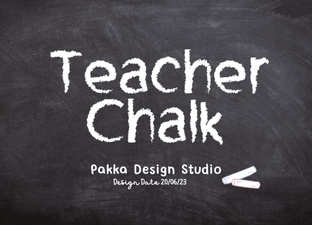 Designing with a Classic Teacher Chalk Font
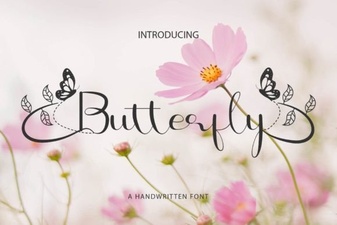 Design with Elegant Butterfly Font Projects
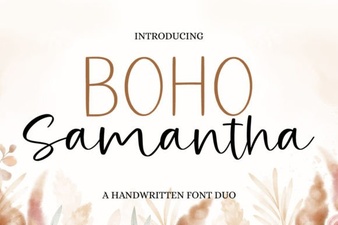 Boho Samantha Font: Styles, Tips & Projects
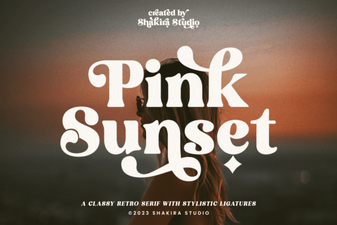 Pink Sunset Fonts for Creative Designs & Projects
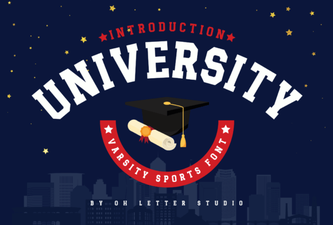 Crafting Identity: University Fonts for Branding
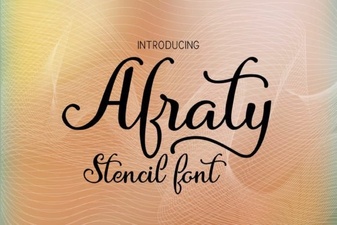 Afraty Stencil Font for Graphic Design Projects