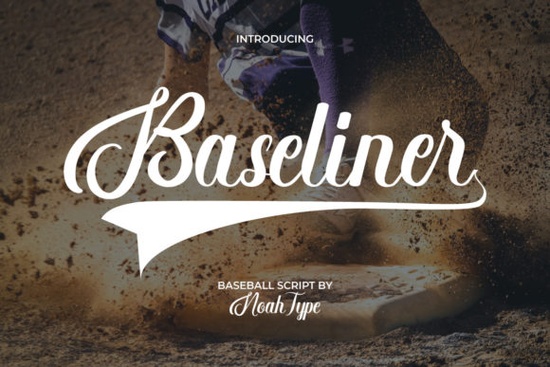
Finding the right typography for sports merchandise or active lifestyle brands can be tricky. You want something that feels energetic but remains easy to read. The Baseliner Font solves this by offering a natural, brush-style script inspired by baseball aesthetics. It mimics real handwriting while keeping the sporty, dynamic slant that looks great on apparel and promotional gear. Whether you are designing a local team logo or creating print-on-demand t-shirts, this typeface gives your text a personal, hand-lettered feel without looking messy.
What makes a sporty script font work for branding?
When designing for sports or active brands, the typography needs to convey movement and energy. Brush scripts achieve this through varied stroke weights and a slight forward slant. This specific typeface uses carefully crafted brush strokes to create a natural flow. The varying thickness of the letters adds a human touch, making logos and headlines feel approachable rather than strictly corporate.
For small businesses selling athletic wear or sports equipment, using a hand-lettered style helps build a relatable brand identity. It looks excellent on chest prints for hoodies, sleeve graphics, and equipment tags. Unlike rigid sans-serif fonts, a dynamic script draws the eye and adds character to simple layouts.
How can print-on-demand sellers use this style effectively?
Print-on-demand sellers need versatile assets that look good across different products. A thick brush script is highly visible on t-shirts, tote bags, and coffee mugs. Because the strokes are bold, the text remains legible even when printed on textured fabrics or dark-colored garments.
When placing this font on merchandise, keep the background clean. If your design requires a tougher, more aggressive athletic vibe, you might want to explore gritty stencil alternatives for your main logo, saving the script for secondary quotes or player names. However, for lifestyle-focused sports gear like yoga mats or running club apparel, the smooth brush strokes of this font fit perfectly.
Teachers or coaches creating educational sports materials might lean toward basic cursive tracing materials for their worksheets, but for team certificates and award banners, a bold script makes the achievement feel special and earned.
Which design projects benefit most from a handwriting look?
Beyond apparel, this handwriting style works well for digital and physical marketing materials. Social media posts for local sports teams, fitness influencers, and community events benefit from the casual, energetic tone it provides. It is also highly effective for product packaging, especially for items like energy drinks, protein bars, or sports accessories.
If you are designing a poster for a night game or an evening fitness event, combining this font with bright glowing text effects can make the headline stand out on dark backgrounds. For more relaxed, everyday aesthetics like a casual weekend baseball league, you could pair the main headline with simple boho-style monoline fonts in the subheadings to balance the visual weight.
What are the best layout and pairing tips for brush scripts?
To get the best results, avoid typing entire paragraphs in any script font. Reserve it for short phrases, logos, and headlines. When setting the text, pay attention to the spacing between letters. Sometimes, slightly tightening the tracking helps the connecting strokes flow more naturally.
For embroidery or laser cutting projects where thick, overlapping brush strokes cause production issues, clean single-line lettering is usually a safer choice. But for screen printing, vinyl decals, and digital graphics, the thick and thin variations of this brush font will reproduce beautifully. Always pair it with a clean, simple sans-serif or a structured serif for your body copy to ensure your overall design remains readable.
Quick checklist for using sporty script fonts
- Limit the text: Use it only for headlines, logos, or short quotes of fewer than ten words.
- Check the connections: Zoom in to ensure the connecting strokes between letters look smooth and natural before exporting your file.
- Pair wisely: Contrast the thick brush strokes with a simple, highly legible sans-serif font for your subtext and body copy.
- Mind the background: Place the text on solid or slightly textured backgrounds, avoiding busy photographic backgrounds that reduce readability.
- Test the print: If using the design for physical merchandise, print a small test sample to check how the thinner strokes hold up on fabric.
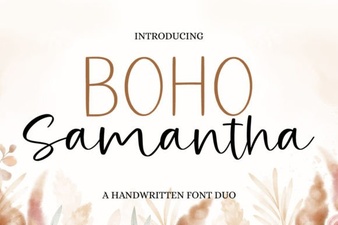 Boho Samantha Font: Styles, Tips & Projects
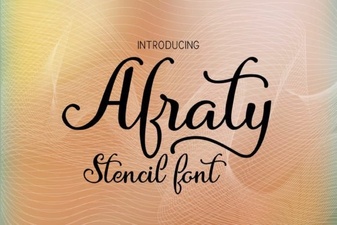 Afraty Stencil Font for Graphic Design Projects
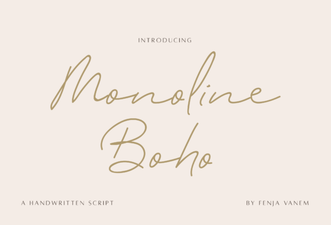 Design with Creative Monoline Boho Fonts
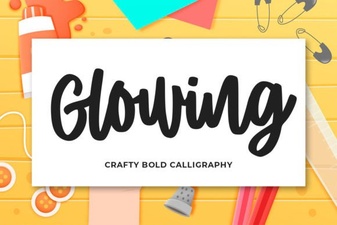 Designing Beautiful Glowing Text Effects
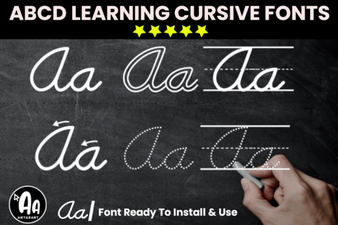 Modern Abcd Cursive Tracing Bundle Font Collection
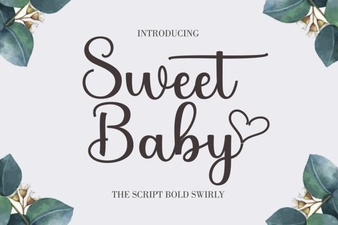 Sweet Baby Font: Design Tips & Download Links