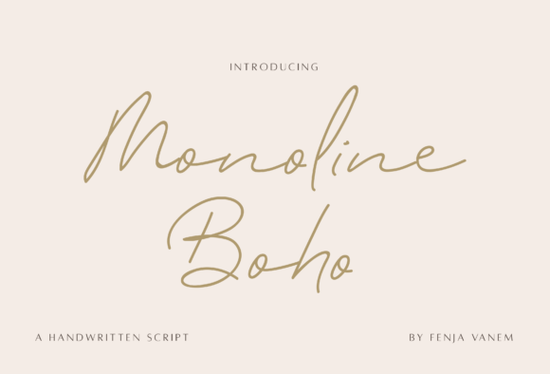
Finding the right balance between clean lines and a personal touch is often the hardest part of typography. When you need a typeface that feels handwritten but stays highly legible, the Monoline Boho Font is a reliable choice. It offers the consistent stroke width of a monoline design while keeping the natural quirks of real handwriting. This makes it incredibly useful for small business branding, wedding invitations, and custom apparel.
What makes a monoline script work for modern branding?
Monoline fonts lack the thick and thin stroke variations found in traditional calligraphy. While that might sound like a limitation, it is actually a massive advantage for modern design. The uniform line weight ensures that your text remains crisp and readable, even when scaled down for business cards or social media graphics.
The classy, minimalistic nature of this specific typeface gives it a relaxed but professional vibe. It includes subtle twists and extra swashes that add character without making the text look cluttered. Because it is PUA encoded, you can easily access all those extra glyphs and alternate characters without needing to memorize complex keyboard shortcuts.
When building a complete brand kit, you usually need more than just one typeface. You might want to pair this flowing script with a structured secondary font, and browsing baseline script alternatives is a good way to find that visual balance for your subheadings.
How do you use minimalist handwriting in print-on-demand?
Print-on-demand sellers know that intricate, thin fonts can sometimes bleed or look messy when printed on fabric or ceramic. The clean minimalism of a monoline script prevents this issue. The consistent stroke width holds up beautifully on t-shirts, tote bags, and coffee mugs.
However, different products require different moods. If your current design feels a bit too simple for a specific campaign, looking into glowing script variations might add the extra flair needed for a neon-themed or nightlife product line. On the other hand, if you are designing nursery decor or baby shower gifts, you will want something much softer. In those cases, reviewing sweet baby script styles will give you a more playful, rounded look compared to a classy boho aesthetic.
For projects that require a slightly more elegant, high-fashion feel, exploring the Camila Ashton script family offers a beautiful contrast to everyday minimalist designs. And if you simply want to see more options from the same design style, browsing the full monoline boho script collection will give you plenty of ideas for future projects.
Which design programs let you access PUA encoded glyphs?
PUA encoding means the font creator has mapped all the special characters, swashes, and ligatures into the Private Use Area of the font file. This is great news for crafters and designers, but how you access them depends on your software:
- Adobe Illustrator and Photoshop: You can use the built-in Glyphs panel to see and click on every single swash and alternate character.
- Affinity Designer: The Character panel allows you to view and insert all extra glyphs seamlessly.
- Canva: While Canva does not have a native glyphs panel, you can copy and paste special characters from a free online tool like the Windows Character Map or Mac Character Viewer.
- Cricut Design Space and Silhouette Studio: Similar to Canva, you will need to use your computer's built-in character map to copy the swashes and paste them directly into your cutting software.
What is the best way to test a new script font?
Before you finalize a logo or send a design to the printer, you need to see how the font behaves in real-world conditions. Script fonts can look perfect on a large screen but might become illegible when shrunk down.
Pre-launch typography checklist:
- Print a test page: Print your design at the exact physical size it will be used. Check if the monoline strokes are too thin for the paper or fabric.
- Test the swashes: Add the alternate glyphs to the beginning and end of your words. Make sure the extra tails do not overlap awkwardly with nearby text or graphics.
- Check the spacing: Script fonts often require manual kerning. Adjust the letter spacing so the connections between words look natural and unbroken.
- View on mobile: If the design is for a website or social media, open it on your phone to ensure it is easily readable on a small screen.
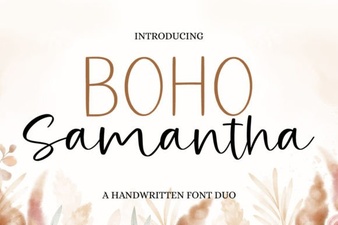 Boho Samantha Font: Styles, Tips & Projects
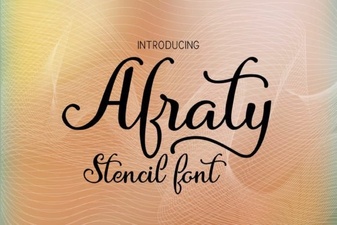 Afraty Stencil Font for Graphic Design Projects
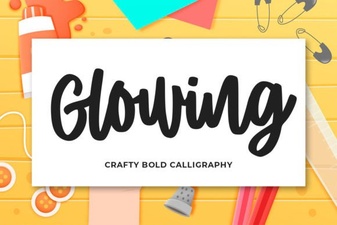 Designing Beautiful Glowing Text Effects
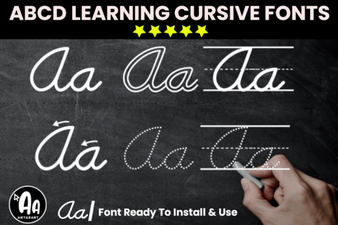 Modern Abcd Cursive Tracing Bundle Font Collection
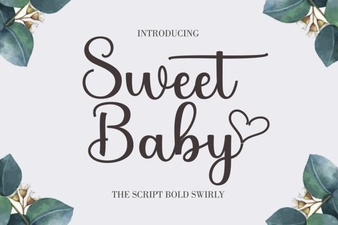 Sweet Baby Font: Design Tips & Download Links
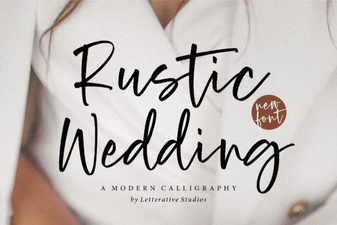 Rustic Fonts for Authentic Wedding Designs