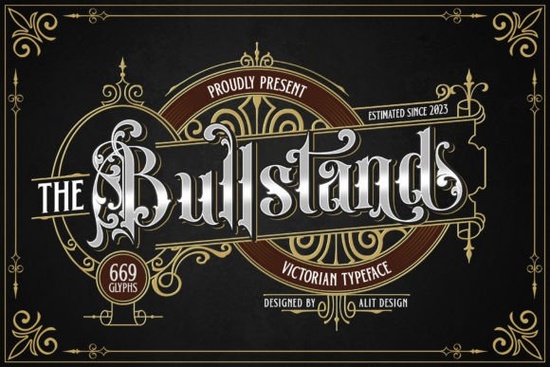
Finding the right vintage typeface can completely change the mood of a design project. If you are working on a label, poster, or branding piece that needs a touch of historical elegance, the Bull Stand Font offers a highly detailed, ornate look inspired by 19th-century aesthetics. This specific typeface captures the intricate craftsmanship of the Victorian era, making it a strong choice for creators who want their text to feel established and decorative.
What Makes Victorian Typography Stand Out?
Victorian design is famous for its heavy ornamentation, complex serifs, and dramatic contrast. During the Industrial Revolution, printing technology advanced, allowing type foundries to experiment with highly decorative letterforms. You can explore more about Bull Stand Victorian aesthetics and historical printing methods to understand how these styles evolved over the decades.
When you use a style like this, you are bringing a sense of heritage to your work. You will notice dramatic variations in stroke width, elaborate swashes, and heavy serifs. These elements were originally designed to grab attention on crowded broadsheets and shop signs. It works exceptionally well for:
- Craft beer labels and boutique coffee packaging.
- Vintage-style event invitations and wedding stationery.
- Print-on-demand apparel with a retro or classic vibe.
- Book covers for historical fiction or mystery novels.
How to Use Ornate Display Fonts in Your Projects
Highly decorative fonts require a careful approach. Because the letterforms are so detailed, they can become hard to read if used for long paragraphs. Instead, treat them as illustrative elements. Keep your text short and use these typefaces for main titles, short taglines, or monograms.
Pay close attention to your background colors. Highly detailed fonts need solid, contrasting backgrounds to remain legible. Avoid placing them over busy photographs or complex patterns, as the fine lines will get lost. A dark background with metallic or cream-colored text often yields the most authentic historical look. If you need to write a longer description, switch to a clean, simple sans-serif to balance the visual weight.
How Should You Pair Highly Detailed Typefaces?
Pairing an intricate display font with the right secondary typeface is crucial for a balanced layout. You want the main title to shine without the supporting text competing for attention. Here are a few pairing ideas depending on your project:
- For a classic look: Pair your main title with a simple, elegant script like the Angelicha Font for subheadings. If your layout feels too heavy, a flowing calligraphy option can lighten the mood and add a graceful touch.
- For a bold, edgy vibe: Contrast the ornate letters with a traditional blackletter style to create a striking, old-world poster.
- For a mysterious theme: If you are designing for a darker aesthetic, a moody gothic typeface like the Scarlet Holmes Font adds incredible atmosphere.
- For a rugged finish: When you want something that looks handmade, a distressed vintage lettering style such as the Blinks Shake Font provides excellent texture.
Quick Checklist for Printing Ornate Fonts
Before sending your final design to a printer or uploading it to a print-on-demand platform, run through this quick checklist to ensure your intricate lettering holds up in the real world:
- Check the minimum point size: Ensure the font is large enough so the fine serifs and swashes do not blur or fill in with ink.
- Test on the actual material: Print a physical proof on the exact paper or fabric you plan to use, as texture can drastically affect legibility.
- Adjust the tracking: Slightly increase the letter spacing if the ornate details are overlapping or touching at your chosen size.
- Convert to outlines: Always convert your text to vector shapes before exporting your final file to prevent any missing font errors during production.
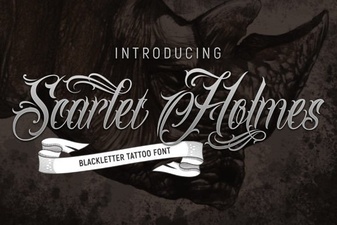 Scarlet Holmes Font for Elegant Web Designs
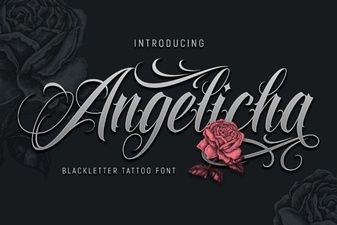 Angelicha Font: Creative Typography for Modern Design
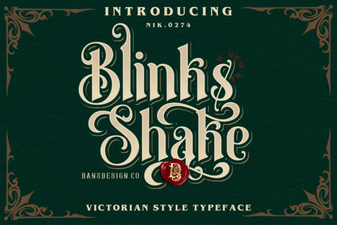 Crafting Dynamic Text with Blinks Shake Font
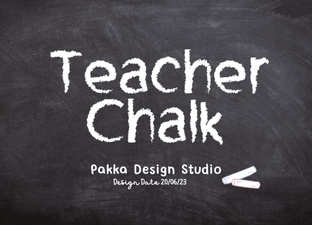 Designing with a Classic Teacher Chalk Font
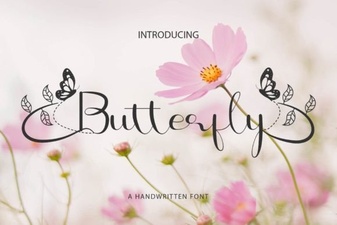 Design with Elegant Butterfly Font Projects
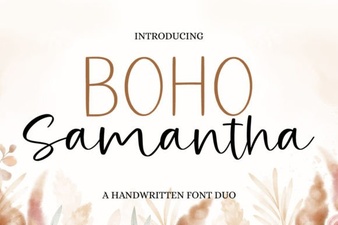 Boho Samantha Font: Styles, Tips & Projects