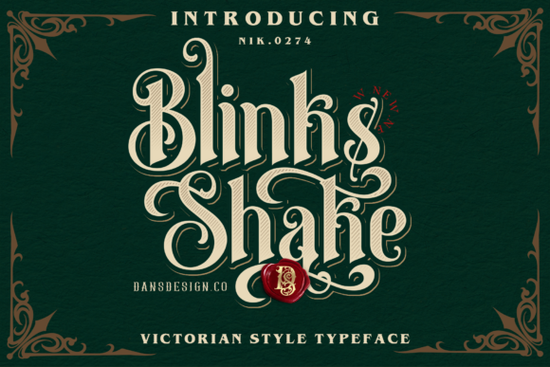
Finding the right typography for a vintage project can take hours of scrolling. If you need something with historical charm but modern flair, the Blinks Shake Font offers a distinct Victorian aesthetic. This chic blackletter typeface blends traditional gothic elements with a refined, stylish finish, making it a practical choice for designers and crafters who want their work to stand out without looking outdated.
What makes a Victorian blackletter font work for modern projects?
Blackletter typography often feels too heavy or difficult to read for everyday use. However, when a typeface balances thick strokes with delicate swashes, it becomes much more versatile. This specific design takes inspiration from 19th-century print styles but smooths out the harsh edges. If you want to see more examples of how the Blinks Shake style performs in layout mockups, checking out design galleries can provide great inspiration. You might also look at how the Scarlet Holmes typeface handles intricate letterforms for a slightly different mood.
How do you use gothic-style typography in wedding stationery?
Wedding invitations set the tone for the entire event, and couples often want a touch of classic elegance. When designing these pieces, use ornate typography strictly for the names of the couple or the main headings. Pairing it with a clean, simple serif or sans-serif for the body text ensures guests can easily read the date, time, and location without squinting.
For crafters making physical invites, this font prints beautifully on thick cotton paper or textured cardstock. If you want to experiment with a slightly more rugged historical look for a rustic wedding theme, checking out the Bull Stand lettering collection might give you some alternative ideas for your mood board. Always test your print settings to ensure the fine details of the letters do not get lost in the ink spread.
Which projects benefit most from ornate lettering?
Print-on-demand sellers and small business owners can use this style to create niche products that appeal to specific audiences. Think about dark academia merchandise, vintage-style coffee shop menus, or boutique candle labels. The detailed strokes add a premium feel to simple items like tote bags, apparel, or ceramic mugs.
Social media managers can also use it for quote graphics or promotional banners where a bold, artistic statement is needed. When building a cohesive brand kit, it helps to see how different styles interact. For instance, comparing this font with the Angelicha script variations can help you decide whether a structured gothic look or a flowing calligraphy style better fits your client's brand identity.
What should you check before downloading a new display typeface?
Before adding any new file to your design software, verify the licensing terms. Make sure the license covers commercial use if you plan to sell physical products or use the graphics in client work.
Next, check the character set. A good display font should include uppercase and lowercase letters, numbers, and basic punctuation. Some premium files also include alternate characters, ligatures, and decorative swashes that give you more layout options. Finally, install the font and type out a few test sentences to see how the kerning looks in your specific design software.
How do you prepare your files for the best results?
Getting the most out of a highly detailed typeface requires a bit of technical preparation. Follow this quick checklist before finalizing your design:
- Convert to outlines: If you are sending files to a commercial printer or a vinyl cutter, always convert your text to vector paths to avoid missing font errors.
- Adjust the tracking: Display fonts usually need tighter letter spacing than standard body text. Manually adjust the kerning between specific letter pairs if they look too far apart.
- Test on different backgrounds: Check how the fine lines hold up against dark backgrounds. You may need to add a very subtle stroke or increase the font weight slightly for contrast.
- Limit your usage: Restrict this style to short phrases, titles, or logos. Using it for long paragraphs will frustrate your readers and clutter the design.
Test your layout on a mobile screen and in print to ensure the intricate details remain crisp across all formats.
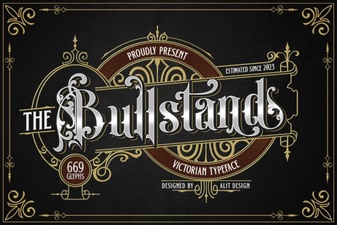 Bull Stand Font Design Ideas & Download
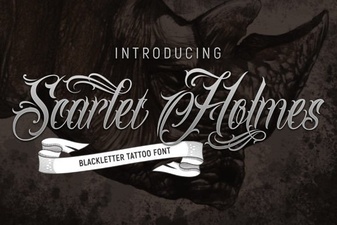 Scarlet Holmes Font for Elegant Web Designs
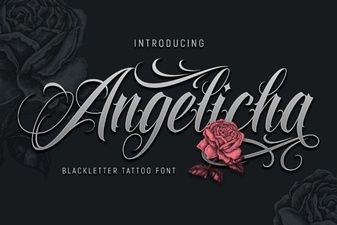 Angelicha Font: Creative Typography for Modern Design
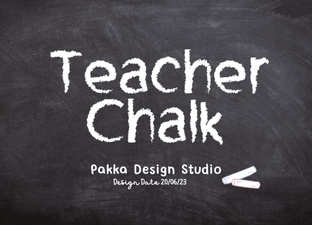 Designing with a Classic Teacher Chalk Font
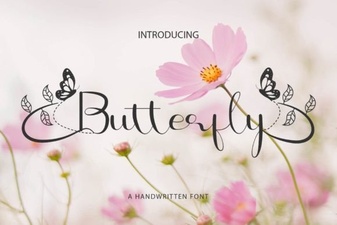 Design with Elegant Butterfly Font Projects
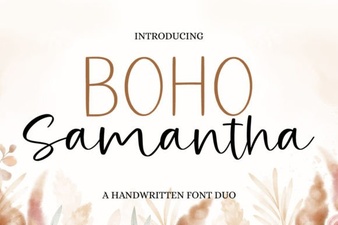 Boho Samantha Font: Styles, Tips & Projects