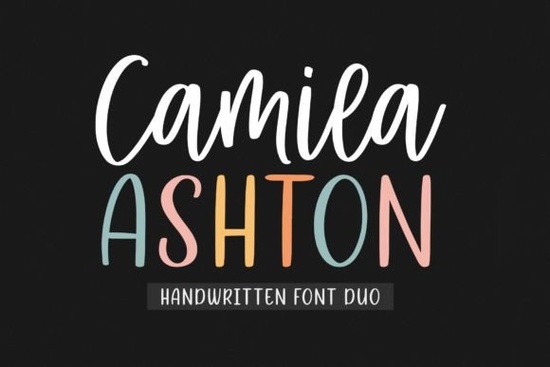
Finding the right typography for a new brand or craft project often comes down to balancing personality with readability. The Camila Ashton Font is a modern handwritten duo that includes both a flowing script and a clean display style. This combination gives designers, small business owners, and hobbyists the flexibility to create cohesive branding without struggling to match different typefaces. Whether you are designing a logo for a boutique or printing quotes on canvas, having a well-balanced script and display pairing in your toolkit saves time and keeps your layouts looking professional.
What makes this script typeface stand out for branding?
When building a visual identity, consistency is key. This typeface provides two distinct but complementary styles. The script version features smooth, connected letters that add a personal, handwritten touch. Meanwhile, the display version offers clear, unconnected characters that are much easier to read at smaller sizes or in longer sentences. By using both, you can highlight your brand name in the flowing script while using the display style for taglines, contact info, or secondary text. If you are exploring other options in the same category, you might also look at a minimalist boho style for a more relaxed, earthy vibe.
How can crafters and print-on-demand sellers use it?
Print-on-demand sellers and crafters need typography that translates well to physical products. Intricate, overly messy scripts can become unreadable when printed on a coffee mug or cut from adhesive vinyl. Because this duo features well-balanced characters with smooth curves, it holds up beautifully on merchandise and reduces the frustration of weeding tiny vinyl pieces.
- Apparel: Use the script for a short, punchy word on a t-shirt, and the display font for a smaller subtitle.
- Drinkware: Wrap a meaningful quote around a tumbler using the highly legible display style.
- Stationery: Design wedding invitations or greeting cards where the script acts as the main header.
If your current project requires a more structured look, a clean baseline alternative might be a better fit for strict corporate guidelines, but for lifestyle and craft brands, the flowing style shines.
Which design projects work best with flowing handwritten styles?
Handwritten styles naturally convey warmth, approachability, and creativity. They are highly effective for businesses in the beauty, wellness, food, and lifestyle sectors. For example, a bakery could use the script for their main logo and the display font for their menu items.
When working on digital graphics or social media templates, you want text that catches the eye without overwhelming the image. If you are designing a quote graphic for Instagram, the script font draws attention to the core message. For longer blog graphics or Pinterest pins, you might prefer a highly readable book style to ensure users can quickly scan the text. Additionally, if you are working with single-line cutting machines, checking out a single-line alternative can save you a lot of weeding time on your plotter.
What are some tips for pairing script and display fonts?
Getting the spacing and hierarchy right is crucial when mixing two styles from the same family. You can preview the full character set and test out Camila Ashton before downloading to see how the letters interact.
- Establish hierarchy: Decide which style is the hero text. Usually, the script is larger and used for one to three words, while the display is smaller and used for supporting text.
- Mind the kerning: Script fonts often have built-in connections. Avoid manually tracking the script too widely, or the letters will break apart. The display font, however, can handle wider spacing for a modern, airy look.
- Adjust line height: Script fonts often have tall ascenders and deep descenders. Give them extra vertical breathing room to prevent overlapping when stacked.
For projects that need a bit more shine or neon effects, you might also explore a bright glowing option to make your digital posters pop.
How should you prepare your files for production?
Before finalizing your design file, run through this quick typography checklist to ensure your layout is ready for the printer or cutting machine:
- Check that all script letters are properly connected without awkward gaps or overlapping strokes.
- Verify that the display text is legible when scaled down to mobile screen sizes or small physical print formats.
- Outline or convert your text to shapes before sending the file to a commercial printer to prevent missing font errors.
- Test your color contrast against the background to ensure the thinner strokes of the script remain visible from a distance.
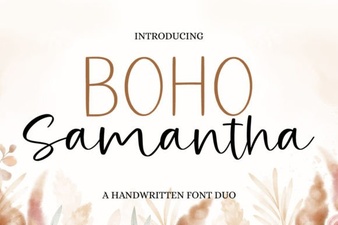 Boho Samantha Font: Styles, Tips & Projects
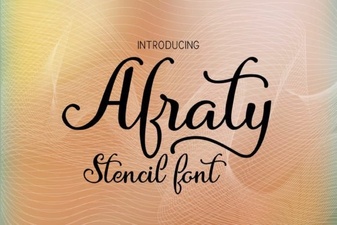 Afraty Stencil Font for Graphic Design Projects
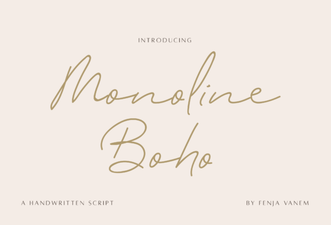 Design with Creative Monoline Boho Fonts
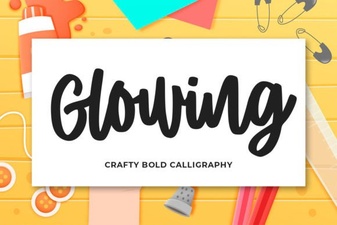 Designing Beautiful Glowing Text Effects
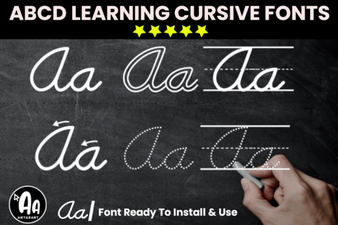 Modern Abcd Cursive Tracing Bundle Font Collection
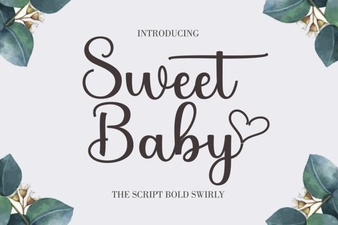 Sweet Baby Font: Design Tips & Download Links