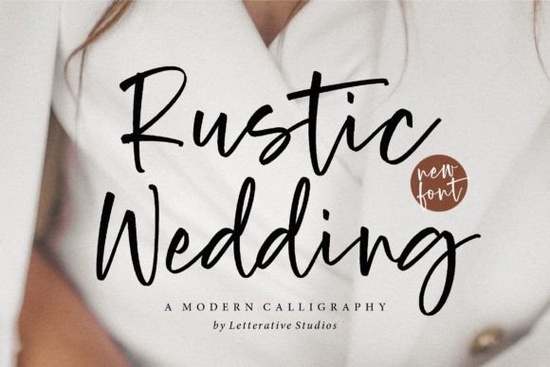
Finding the right lettering style can make or break a DIY project or small business brand. When you want a warm, personal touch, a modern script usually does the trick. The Rustic Wedding Font offers a beautiful, flowing design that works wonderfully for invitations, handmade crafts, and digital layouts. It gives off a relaxed yet elegant vibe, making it a reliable choice for creative hobbyists and professional designers alike.
What makes a good script typeface for craft and branding projects?
When selecting lettering for print-on-demand items or boutique branding, readability is just as important as aesthetics. A well-crafted script needs to look natural, mimicking the organic flow of hand-lettering without becoming messy. You want your customers to easily read the text on a coffee mug, tote bag, or greeting card. This specific typeface strikes a nice balance by keeping the loops clean and the spacing consistent. If you are looking to explore more options in this specific style, checking out other rustic lettering choices can give you plenty of inspiration for your next collection.
How do you pair script styles with other typefaces?
Mixing different font families is a standard practice in graphic design to create visual hierarchy. Scripts are highly decorative, so they pair best with clean, simple sans-serif or classic serif fonts. For example, you might use the script for a main headline or a couple's names on an invitation, while using a basic sans-serif for the date, time, and location details. This contrast guides the reader's eye and prevents the design from looking too cluttered or overwhelming. Keeping the supporting text simple allows the decorative lettering to truly stand out and shine.
If your project needs a slightly different mood, comparing a few options helps. For a slightly more traditional look, you might also compare it with the Samantha typeface. On the other hand, if your design needs a bolder, more structured feel, the Milestone lettering style is another solid option to consider. Many crafters also love mixing different scripts, and the Camila Ashton design pairs beautifully with simpler texts for layered quotes. For brighter, more playful projects, taking a look at the Sunshine Flower lettering might give you some fresh ideas.
Where can you use modern calligraphy in small business products?
The versatility of a good script allows it to cross over into many different product categories. Small business owners and print-on-demand sellers frequently use these styles to add a premium, custom feel to everyday items. The goal is to make mass-produced items feel like they were custom-made just for the buyer. Hand-lettered styles naturally evoke a sense of craftsmanship and personal attention to detail. Here are a few practical ways to apply this lettering style to your products:
- Apparel: Print short, inspiring quotes or custom names on t-shirts and hoodies.
- Drinkware: Wrap elegant text around ceramic mugs or stainless steel tumblers.
- Stationery: Design custom thank-you cards, holiday greetings, and sticky notes.
- Home Decor: Create typography-based wall art, wooden signs, and throw pillows.
When working with physical products, always remember to check the licensing terms for commercial use. Understanding basic modern calligraphy principles also helps you adjust the kerning and spacing manually if the software doesn't automatically format the ligatures correctly.
What should you check before finalizing your design?
Before you send your file to the printer or publish your digital template, it is crucial to review the finer details. Small mistakes in spacing or alignment can ruin an otherwise beautiful layout. Take a step back and look at the overall composition to ensure the decorative elements do not overpower the main message.
Pre-production checklist for script typography:
- Verify that all ligatures and alternate characters are rendering correctly in your design software.
- Check the contrast between the script text and the background color to ensure readability.
- Never use all-caps with script typefaces, as it breaks the natural flow of the connecting letters.
- Test the design at actual print size to make sure the thinnest lines will not disappear during production.
- Proofread all text carefully, as spellcheckers often miss errors when words are converted to custom shapes.
- Confirm your commercial license covers the specific type of product you are selling.
Taking a few extra minutes to review these details will save you from costly reprinting errors and keep your customers happy. Experiment with different color palettes and background textures to see how the lettering adapts to various themes, and keep building your collection of versatile typefaces for future projects.
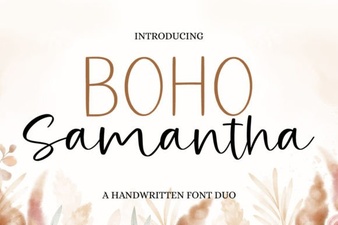 Boho Samantha Font: Styles, Tips & Projects
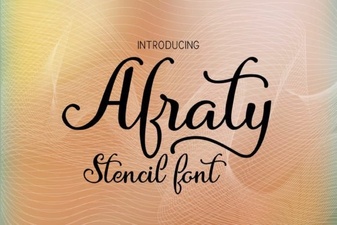 Afraty Stencil Font for Graphic Design Projects
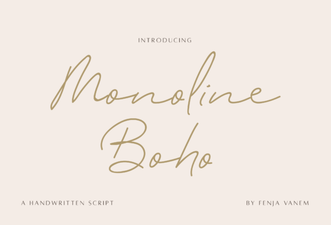 Design with Creative Monoline Boho Fonts
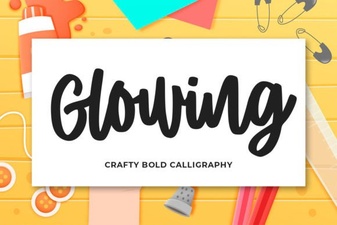 Designing Beautiful Glowing Text Effects
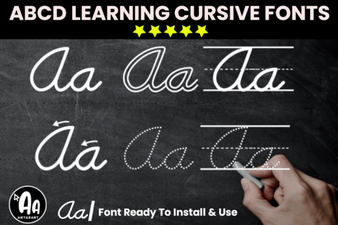 Modern Abcd Cursive Tracing Bundle Font Collection
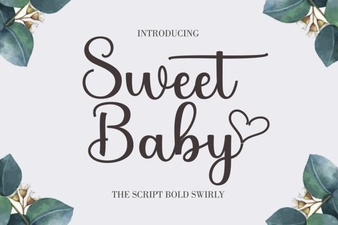 Sweet Baby Font: Design Tips & Download Links