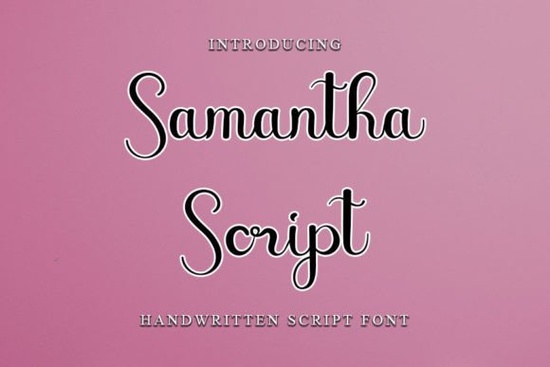
Finding the right handwriting typeface can take hours of scrolling through endless options. If you need something that feels personal but still looks professional, the Samantha Script Font is a solid choice for your next project. It blends classic calligraphic strokes with a modern, fresh layout, making it highly readable while keeping that authentic human touch. Whether you are designing wedding invitations or setting up a new Etsy shop, this typeface gives your work a friendly, approachable vibe.
What makes this handwritten style stand out?
Many script typefaces try too hard to look fancy and end up being difficult to read. This design keeps things grounded. The letterforms have a natural bounce and varied baseline, which mimics real penmanship. It includes uppercase and lowercase letters, numbers, and basic punctuation. The swashes and alternates are tasteful, allowing you to customize words without making the text look cluttered. For designers who want a reliable everyday script, it strikes a good balance between elegant and casual.
How can crafters and small businesses use it?
Print-on-demand sellers and crafters need versatile assets that work across different mediums. This font scales well on physical products. You can use it for custom apparel, like adding a short, meaningful quote to a canvas tote bag or a baby onesie. It is also highly legible when wrapped around curved surfaces like ceramic mugs or stainless steel tumblers, provided you adjust the text path correctly. It also works beautifully on paper goods, such as greeting cards and gift tags.
If you are expanding your digital asset shop or looking for complementary styles, you might want to explore other options like this bohemian style alternative for a more relaxed, earthy aesthetic. Alternatively, if your project requires a brighter, more cheerful vibe, pairing it with a floral-inspired script can add a nice decorative touch to your layouts.
Which projects work best with script typography?
Script typefaces shine when they are used sparingly. They are perfect for headlines, logos, and short phrases, but they are not meant for long paragraphs of text. When designing a brand identity for a boutique or a bakery, use this font for the main logo mark and pair it with a clean sans-serif for the tagline and body copy.
Teachers and parents creating educational materials might prefer a more structured approach for learning exercises. For example, an alphabet tracing bundle is much better suited for actual handwriting practice sheets. On the other hand, if you are designing a journal or a planner, you might want to look at a notebook-style typeface to give the pages a realistic diary feel. For strict, formal invitations where you need perfect alignment, a structured baseline-aligned script might be a better fit than a bouncy, casual one.
How do you install and manage your new typefaces?
Once you download the files, you will usually get OTF and TTF formats. OTF (OpenType) is generally the better choice because it supports advanced typographic features like ligatures and stylistic alternates. TTF (TrueType) is a good backup if your specific software or cutting machine doesn't recognize the OTF file.
To install on Windows, right-click the file and select Install. On a Mac, double-click the file and click Install Font in the preview window. After installing, restart your design software so the new typeface shows up in your dropdown menu. If you download a lot of assets, consider using a font management tool to keep your system running smoothly and your workspace organized.
Checklist for preparing your font files
Before you finalize your design and send it to print or cut, run through this quick checklist to ensure your typography looks its best:
- Check the kerning (letter spacing) manually, especially around capital letters and swashes.
- Ensure the text is converted to outlines or paths if you are sending the file to a vinyl cutter or a commercial printer.
- Test the design in black and white to make sure the strokes are thick enough to print clearly.
- Proofread your text carefully, as fixing typos after a product is printed or cut is costly.
Take a few minutes to test the font in your actual design software today to get a feel for its alternates and spacing before starting your final production run.
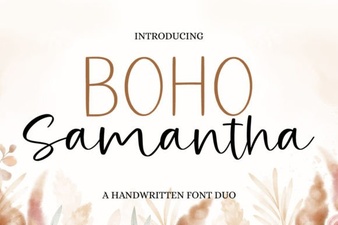 Boho Samantha Font: Styles, Tips & Projects
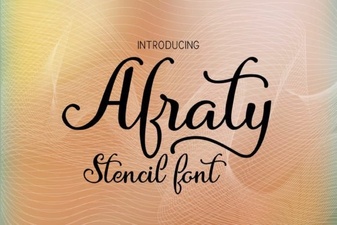 Afraty Stencil Font for Graphic Design Projects
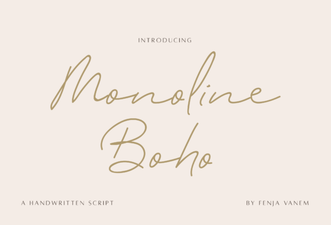 Design with Creative Monoline Boho Fonts
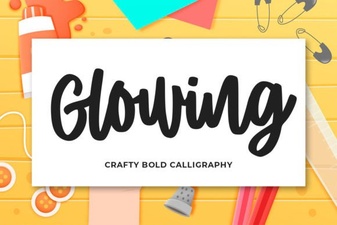 Designing Beautiful Glowing Text Effects
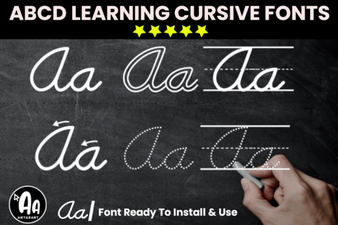 Modern Abcd Cursive Tracing Bundle Font Collection
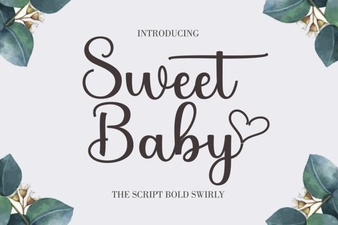 Sweet Baby Font: Design Tips & Download Links