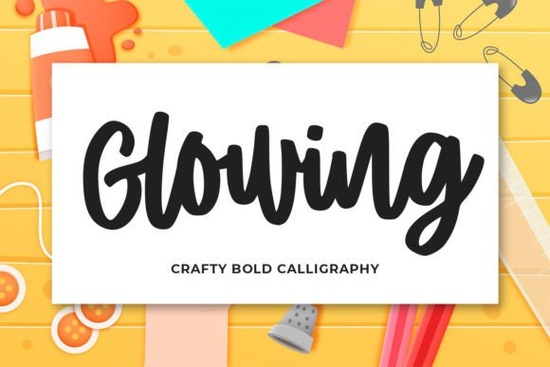
Finding the right handwriting typeface can make or break a custom design. The Glowing Font is a natural, modern script that mimics real penmanship without looking messy. It is built for crafters, print-on-demand sellers, and small business owners who need readable yet stylish lettering for their projects. Because the strokes are smooth and the baseline is relatively steady, it scales well from small greeting cards to large tote bag prints.
What makes a handwriting typeface work for merchandise?
When printing on physical products like t-shirts or mugs, legibility is your top priority. A highly erratic script might look artistic on a screen but becomes unreadable when printed on fabric. This typeface keeps its natural charm while maintaining clear letterforms. The smooth curves and consistent stroke widths ensure that heat transfer vinyl and direct-to-garment printers can reproduce the design cleanly. If your brand leans toward minimalism, you might also explore a minimalist boho lettering style for your secondary subheadings to keep the overall layout balanced.
For crafters using electronic cutting machines, thick and thin variations can sometimes cause tearing on delicate materials. While this font has some natural thickness variations, it remains sturdy enough for most standard vinyl applications. However, if you are doing intricate pen plotting or foil quilling, you might prefer a continuous line drawing effect to save time and prevent machine errors.
How do you use script styles for small business branding?
Branding requires a typeface that reflects your business personality. A modern handwritten style works exceptionally well for boutiques, bakeries, and lifestyle brands. It adds a personal, human touch to logos and packaging that standard corporate fonts simply cannot achieve. You can use it for your main logo mark and pair it with a clean sans-serif for your website body text. For a more formal or elegant aesthetic, pairing it with a traditional calligraphy look can create beautiful contrast on wedding invitations or luxury packaging.
Social media graphics also benefit from this kind of lettering. When creating Instagram quotes or Pinterest pins, a natural script draws the eye and encourages saves and shares. Just make sure to leave enough negative space around the text so it does not feel crowded on mobile screens. You can browse the wider handwritten typeface category to find complementary fonts that match your specific brand guidelines. If you happen to be designing for children's products or nursery decor, a cute rabbit-inspired type might suit your playful theme much better.
Which software works best for installing and editing these files?
Most downloadable typefaces come in OTF and TTF formats, which are universally compatible. You can install them directly into your operating system and access them in almost any design program.
- Adobe Illustrator and Photoshop: Best for professional logo design, custom kerning, and manipulating individual vector nodes.
- Canva: Great for quick social media posts and simple layouts, though custom ligature access might be limited depending on your subscription.
- Silhouette Studio and Cricut Design Space: Essential for crafters cutting vinyl, paper, or cardstock. Always weld your letters together before cutting to ensure the script stays connected.
If the font includes alternate characters or swashes, you will need software that supports OpenType features to access them. Programs like Illustrator, InDesign, or even the free font management tools built into Windows and Mac allow you to view and insert these special glyphs.
Quick checklist for your next lettering project
Before you finalize your design and send it to print or cut, run through this quick checklist to ensure the best results:
- Check the spelling: Script fonts can sometimes hide typos because the connected letters make words look like abstract shapes.
- Adjust the kerning: Even well-made fonts need manual spacing tweaks. Ensure no two letters are awkwardly overlapping or drifting too far apart.
- Test the scale: Print a test page on standard paper at the exact size you plan to use. What looks good on a large monitor might be too small to read on a physical coffee mug.
- Weld for cutting: If using a Cricut or Silhouette, select all the text and use the weld function so the machine cuts the word as one continuous piece rather than individual letters.
- Review the license: Always double-check whether your purchase includes a commercial license, especially if you are selling physical products online.
Taking a few extra minutes to prep your files will save you from wasting expensive materials and ensure your final products look professional and polished.
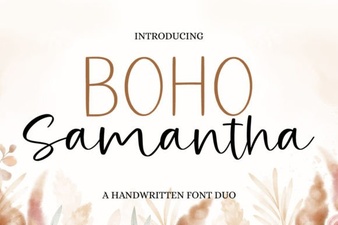 Boho Samantha Font: Styles, Tips & Projects
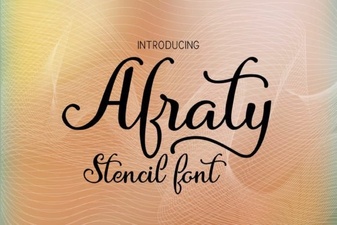 Afraty Stencil Font for Graphic Design Projects
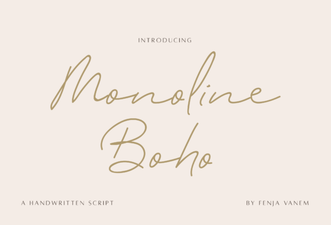 Design with Creative Monoline Boho Fonts
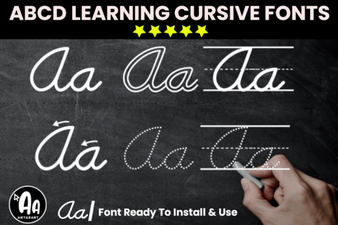 Modern Abcd Cursive Tracing Bundle Font Collection
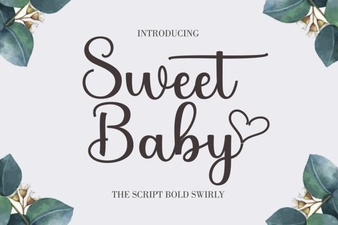 Sweet Baby Font: Design Tips & Download Links
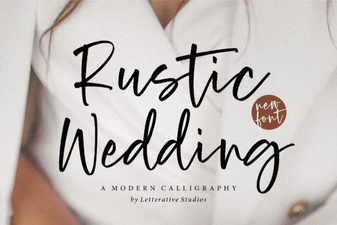 Rustic Fonts for Authentic Wedding Designs