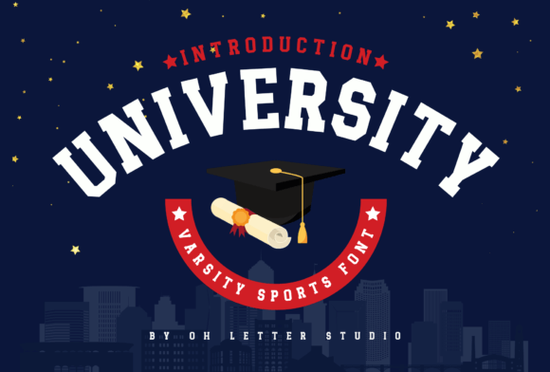
When designing merchandise for school teams, local leagues, or athletic brands, the typography needs to look authentic. Varsity letters and classic collegiate styles rely on heavy, structured letterforms that project confidence. The University Font delivers exactly this aesthetic. It is a bold display typeface built specifically to mimic traditional college sports typography, featuring thick strokes and sharp, commanding edges that instantly communicate athleticism and energy.
What makes a good collegiate sports typeface?
A successful athletic typeface needs to balance readability with a strong visual impact. Traditional varsity jackets and stadium scoreboards use heavy, blocky letters that are easy to read from a distance. This specific typeface captures that historic feel by using thick, uniform lines and sharp, unyielding corners. The letterforms are structured to suggest forward momentum, which is why it works so well for track and field, football, or basketball graphics. If you are exploring similar varsity display options for your current project, you will notice that maintaining consistent stroke weight is the key to keeping the design looking professional rather than cluttered.
How can print-on-demand sellers use this style effectively?
For print-on-demand sellers and small apparel businesses, creating authentic-looking team gear is a highly profitable niche. Customers often look for custom hoodies, spirit wear, and fan merchandise that feel official. You can use this heavy typeface to create bold chest graphics, sleeve numbers, and matching sweatpants text. Because the letters have sharp edges and high contrast, they cut cleanly on vinyl plotters and print crisply on direct-to-garment machines. The thick lines also mean you rarely have to worry about fragile serifs tearing during the weeding process.
When designing spirit wear, try pairing the main athletic text with a simpler secondary typeface. For instance, if you want a contrasting handwritten or chalkboard vibe for the secondary text, you might look into chalk-style display lettering to add a fun, grassroots feel to school event posters, pep rally banners, or concession stand signs.
Which projects benefit most from heavy display lettering?
Beyond standard team jerseys, this commanding style fits perfectly into several other creative projects:
- Esports and gaming logos: The aggressive, sharp angles translate well to competitive gaming team branding and streaming overlays.
- Fitness and gym apparel: Weightlifting brands and crossfit boxes use heavy, structured text to convey physical strength and durability.
- Event posters: Marathons, charity runs, and local sports tournaments need highly legible, punchy headlines that grab attention quickly.
- Crafting and decals: The thick strokes are ideal for Cricut or Silhouette machines, making it easy to create durable water bottle stickers and laptop decals.
What are the best practices for spacing and layout?
Working with thick, blocky letters requires careful attention to spacing. Because the characters are inherently wide and heavy, placing them too close together will cause the negative space to disappear, making the words look like a solid block of ink.
- Increase tracking: Add extra space between the letters to let the design breathe. This is especially important for long words or phrases.
- Use arched layouts: Collegiate designs traditionally feature arched text. Use the warp or envelope tools in your design software to curve the text slightly over a central mascot or emblem.
- Add a drop shadow or outline: A thick, contrasting outline helps the text pop off the background, which is a staple of classic varsity design.
- Keep it short: Display styles are meant for headlines, names, or numbers. Avoid using them for long paragraphs or small legal text.
Pre-production checklist for your next apparel design
Before sending your final design to the printer or cutting your vinyl, run through this quick checklist to ensure a smooth production run:
- Check the contrast between the text color and the garment color to ensure readability.
- Ensure all text is converted to outlines or paths to avoid missing font errors at the print shop.
- Verify that the stroke width is thick enough for your specific cutting machine or screen printing mesh.
- Print a small test swatch on standard paper to check the physical scale of the lettering before committing to expensive blanks.
Next step: Open your vector software, set up an artboard sized to your garment's exact print area, and start sketching out your arched text layout using a simple baseline grid.
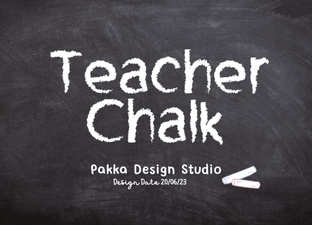 Designing with a Classic Teacher Chalk Font
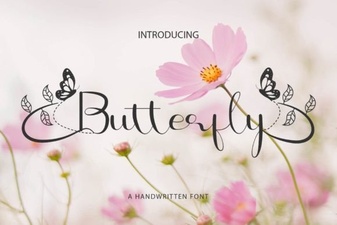 Design with Elegant Butterfly Font Projects
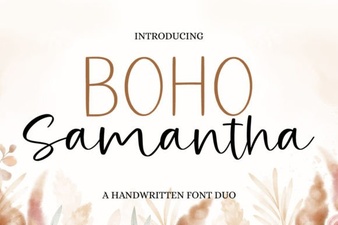 Boho Samantha Font: Styles, Tips & Projects
 Pink Sunset Fonts for Creative Designs & Projects
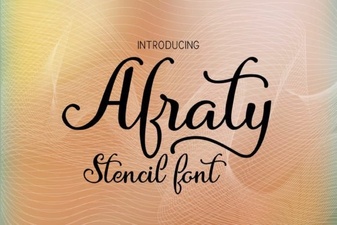 Afraty Stencil Font for Graphic Design Projects
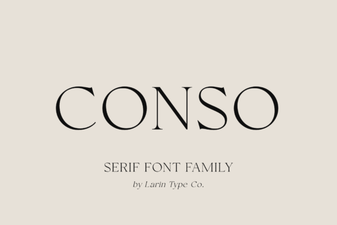 Conso Font: Design Your Digital Lettering Project